Not sure where your marketing budget is actually going? →
Get a free audit
Digital Marketing Agency · Cambridge
Digital Marketing for Ecommerce
Most ecommerce marketing reporting stops at ROAS in a platform dashboard. Here's the problem: that figure pays no suppliers! It counts the sales you'd have made anyway and ignores what each order costs to fulfil. We work from contribution margin and what a customer is worth over a year, then buy traffic against those numbers.


Real client results
Every campaign is judged on one number:
The revenue it puts in your account

£50,000-£100,000 a month in online sales from Google Ads
Digital Marketing Campaigns for E-commerce businesses.
+£239,000 a month
A 132% revenue increase year on year for a construction client. SEO up 363%, PPC up 55%.
£891,000 from £25,300 spend
£35 back for every £1 spent, for a local estate agency client who had never run Google Ads before.
£160,000 in one month from SEO
SEO revenue up 344% and PPC up 160% year on year for a law firm client. Ask us for the accounts behind any of these.
Compounding growth
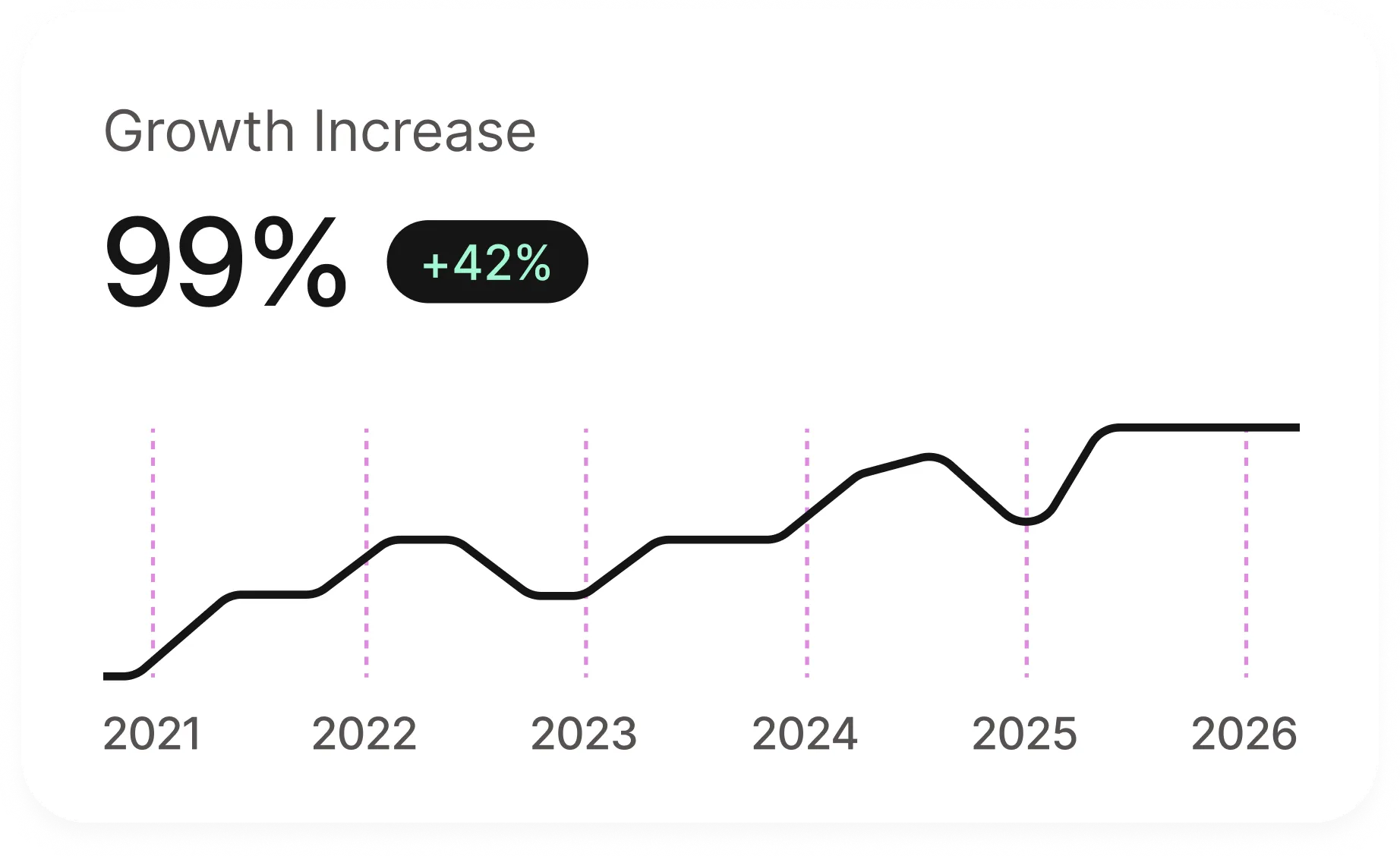
What growth looks like once ROAS is replaced by margin
Fix contribution margin first, then scale only the campaigns that earn against it. One ecommerce client spent £50,000 on Google Ads with us and took £1.52 million in online sales, a return of 29.98x. Another client, in law, took £160,000 in a single month from organic search once the same measurement discipline was applied.
FAQ
The questions you actually want answered
Should we keep bidding on our own brand name?
How much of our reported ROAS is real growth?
Do you work with Shopify, WooCommerce and headless builds?
We sell internationally. Does that change the approach?
Our product feed is a mess. Does that matter?
Client reviews
Every review we have is five stars. Here's why.